
Transform maintenance from a cost center into a strategic competitive advantage with Incito’s Toyota-rooted, award-aligned TPM operating system.
Total Productive Maintenance (TPM) is a structured, enterprise-wide reliability strategy that strengthens the performance of your people, processes, and equipment. At Incito, we don’t just run TPM events or offer “TPM Lite”—we install a living operating system grounded in deep Toyota Production System (TPS) heritage.
By embedding maintenance discipline into daily operations, we help organizations prevent unplanned downtime, eliminate process disruptions, and eradicate quality defects.
The Incito Difference: Toyota DNA & Enterprise Governance
Most Total Productive Maintenance (TPM) programs stall within 1–3 years because they focus on tools without establishing system stability or leadership governance. Incito eliminates these risks by integrating:
Toyota-Rooted Heritage:
Our methodology is built on disciplined TPS principles, not just terminology.
Full-System Integration:
We connect Maintenance, TPM, Governance, and Strategy into one cohesive model.
Award-Aligned Excellence:
Our deployments align with JIPM TPM Award criteria and World-Class maturity benchmarks, ensuring your system is always audit-ready.
Measurable ROI:
We deliver 5–10x ROI through implementation-heavy, shop-floor proof.
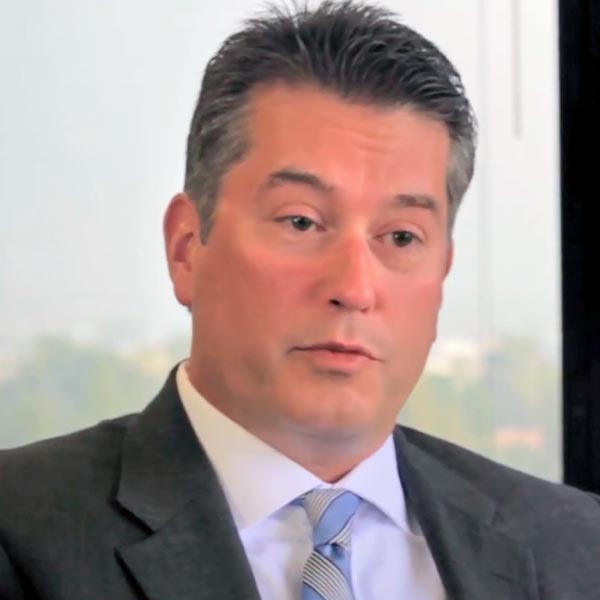
With Incito, they had the capabilities, energy, passion, and tools to unite my team. With Incito, we were able to bring our team together and agree on a unified vision statement.
— Thomas Snyder | President of Silgan ContainersWatch the video
Incito looks at a transformation with the culture first. The Incito team was really good about blending in, allowing us to be who we are, while still bringing in new concepts that we could fit into what we do. They taught us how to implement the processes and trained us to become Lean experts.
— David Moore | President of Rex MooreWatch the video
There's a lot of opportunity in our industry to improve with Lean. It was comforting having Incito walk through our foundry, and specifically nail a couple of ideas where we could improve in their short first visit. Incito was right, because we tackled those areas and had some big successes.
— Mike Emmerichs | VP of Operations at Pacific SteelWatch the video
The Eight Pillars of World-Class TPM
Incito builds capability across the eight traditional pillars of TPM to ensure a proactive reliability system.

Lean Enterprise Cultural Transformation Workshop
Operators take ownership of routine cleaning, lubrication, and inspection to detect faults early.

Focused Improvement (Kobetsu Kaizen):
Cross-functional teams eliminate chronic losses through data-driven root cause analysis (PDCA).

Planned Maintenance:
Transition from reactive “firefighting” to predictive strategies and optimized PM cycles.

Quality Maintenance:
Defect prevention and error-proofing are built directly into equipment routines.

Training and Education:
Closing skill gaps for operators and maintenance personnel to ensure data-driven behaviors.

Early Equipment Management:
Designing for reliability and maintainability from Day 1 of procurement.

Administrative TPM:
Eliminating waste in support functions like procurement and scheduling.

Safety, Health, and Environment:
Reinforcing safe operating conditions through equipment stability.
Our Three-Phase Implementation Model:
Foundation Creates Acceleration, Leading to Breakthrough
We follow a clear sequencing logic: stability before pillars, and pillars before scale.

Phase 1: Foundation (Maintenance Excellence)
Before deploying pillars, we stabilize the system to prevent building on top of chaos.
• Standardizing preventive maintenance (PM) programs.
• Defining clear roles for leadership, planning, and execution.
• Optimizing spare parts and MRO management.
• Impact: 20–40% reduction in breakdowns and improved equipment stability.


Phase 2: Acceleration (TPM Pillars & OEE Movement)
Once stable, we drive ownership and equipment performance.
• Hozen Maturity Steps 0–7: Moving operators from initial cleaning to full self-management.
• Predictive Technologies: Implementing vibration, IR, and ultrasound monitoring.
• Impact within the first 12 months:
-
- 10–20 point Overall Equipment Effectiveness improvement
- 25–35% increase in Median Time To Repair (MTTR)
- 25-35% Mean Time Between Failures (MTBF)
- 25-50% Defect Reduction
Phase 3: Breakthrough (Enterprise Governance & Global Scale)
We ensure the system sustains beyond year three by embedding it into the enterprise operating system.
• Hoshin Kanri Alignment: Connecting TPM objectives to enterprise strategy (OEE to revenue, reliability to margin).
• Tiered Governance: Daily, weekly, and monthly cadences reinforced by Leader Standard Work.
• Impact: 15–30% sustained cost reduction and multi-plant scalability.

Business Benefits & Industry Applications
Incito’s TPM deployments serve asset-intensive industries, including:
| Key Metric | Typical Impact (12-24 Months) |
| Breakdowns | 20–40% Reduction |
| Overall Equipment Effectiveness (OEE) | 10–20 Point Improvement |
| Mean Time To Repair (Repair Time) | 20–30% Reduction |
| Defects | 25–50% Reduction |
| Cost | 15–30% Sustained Reduction |
Is Your Equipment a Bottleneck or a Competitive Advantage?
Contact Incito today to schedule an Equipment and Capability Assessment and start your journey toward World-Class Reliability.
TPM Frequently Asked Questions
TPM is a Lean-based, proactive approach to managing equipment reliability by integrating maintenance into daily operations.
TPM is proactive rather than reactive, data-driven rather than schedule-based, and enterprise-wide rather than maintenance-centric.
Overall Equipment Effectiveness (OEE), Mean Time Between Failures (MTBF), Mean Time to Repair (MTTR), Planned Maintenance Percentage, and Maintenance Cost as a Percentage of Asset Value.
Initial improvements often appear within weeks, while cultural and financial maturity typically develops over one to three years.
Yes. TPM is a core enabler of Lean, continuous improvement, and operational excellence initiatives.
Contact Incito today to schedule an Equipment and Capability Assessment and start your journey toward World-Class Reliability.

